

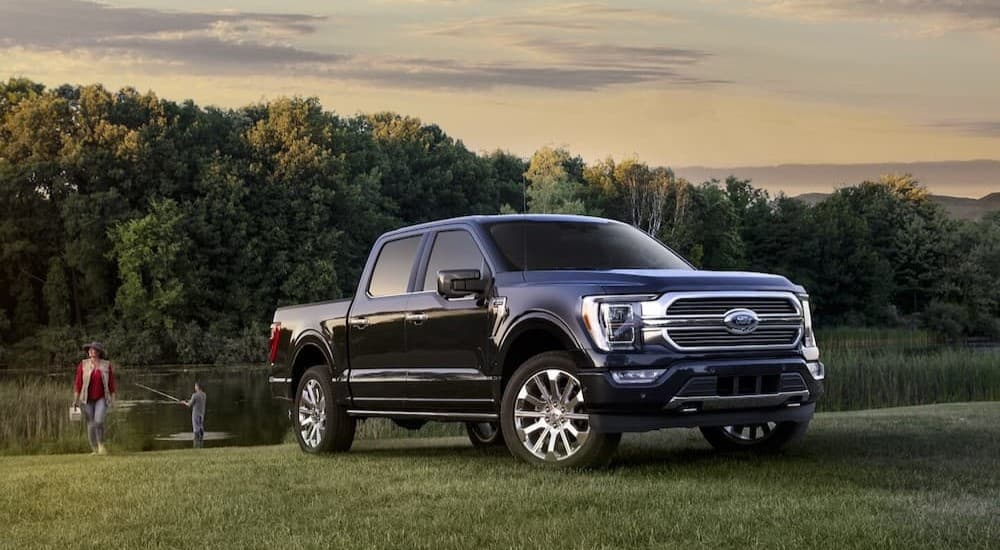
If you’ve been scrolling listings for a used Ford for sale, chances are a Chevy Silverado 1500 has also appeared on your radar. The F-150 and Silverado 1500 are the top competitors in the half-ton truck market. Both have loyal fans, both look sharp in the driveway, and both can get serious work done.
The Silverado 1500 is a worthy rival, but when you’re buying a pre-owned full-size pickup, the F-150 is usually the smarter pick. It tends to be easier to maintain, offers more variety in trims and engines, and holds its resale value better than the Silverado 1500.
The Reason People Buy Trucks
Sure, commercials show these trucks pulling jumbo jets or blasting through mud in slow motion, but in reality, most people who are shopping for used trucks want three simple things:
- A reliable vehicle that doesn’t nickel-and-dime them.
- Enough towing and hauling capabilities to get the job done.
- Comfort and space for family, friends, or coworkers.
While the Silverado 1500 isn’t a bad choice, the F-150 consistently covers these bases better, especially once the miles and years start piling up.
Engines That Fit Your Needs
Chevy relies mainly on V8s, with some V6 and turbo options sprinkled in. These are solid powerplants, but certain years are plagued with cylinder deactivation issues (AFM/DFM lifter problems). That’s something to watch closely if you’re shopping for a Silverado 1500.
Ford, on the other hand, offers a wider spread of proven engines:
- 2.7L EcoBoost V6: Don’t let the size fool you; this small turbo V6 punches way above its weight, delivering excellent torque and solid fuel economy for daily drivers who tow light.
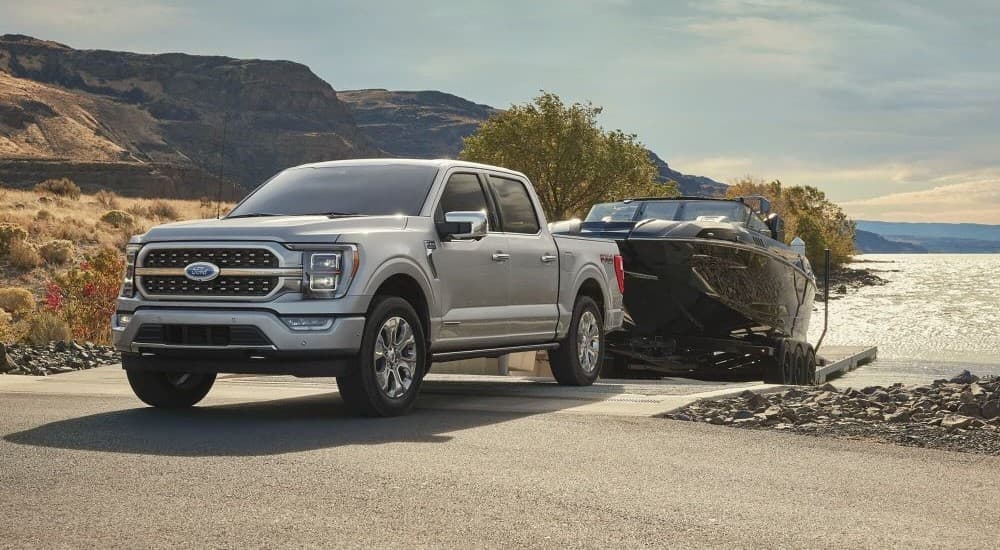
- 3.5L EcoBoost V6: This heavy hitter is perfect for towing boats, RVs, or big trailers. Its turbopowered torque makes a difference, especially at altitude.
- 5.0L V8: It has fewer moving turbo parts, a throaty exhaust, and plenty of power for people who plan to keep a truck long-term.
The bottom line is that Ford gives you more choices to match your lifestyle. The Silverado 1500’s engines aren’t bad, but Ford’s lineup covers more ground for different buyers.
Reliability & Ownership Costs
On the used market, reliability isn’t just a rating; it’s also about parts availability, DIY friendliness, and how many shops are comfortable with the platform. The F-150 benefits from a massive production volume, which keeps parts plentiful and repair labor readily available. That usually means faster fixes and lower costs over time.
Tech & Interior Experience
Ford’s SYNC was initially released in 2007 and has evolved into a reliable system with smartphone integration. Driver assistance features are widely available on used F-150s, including adaptive cruise control, blind-spot monitoring, and 360-degree cameras. These are great for daily comfort and towing confidence.
Chevy’s infotainment tech is capable, but Ford’s menu structure and physical controls tend to be easier to use at a glance.
Kinds of Cabin Comfort
It’s easy to get caught up in towing specs, but think about this: Where do you spend the majority of your time with a truck? Inside the cab! And ever since the 13th generation was released in 2015, the F-150 has had one of the best cabins in the half-ton class. Its highlights include…
- Roomy Crew Cabs with flat rear floors—perfect if you’re loading car seats, dogs, or gear.
- Quiet rides thanks to good insulation, so long highway trips feel less tiring.
- User-friendly tech like SYNC that works well with Apple CarPlay and Android Auto.
- Big storage solutions with deep bins and fold-flat rear seats.
The Chevy’s interior isn’t bad, but it tends to feel more old-school. Ford’s setup is more intuitive and modern, especially when you’re multitasking between work and family life.
Rust Protection & Durability
If you live anywhere where winter roads are often salted, this attribute matters a lot. Chevy uses steel body panels, which look great but are more prone to rust. By contrast, Ford made a bold move in 2015 by switching to aluminum body panels. That decision has paid off big-time on the used market, for a number of reasons…
- Fewer rusty fenders and bedsides on F-150s compared to Silverado 1500s of the same year.
- Less weight thanks to aluminum, which also helps fuel economy and handling.
- Corrosion resistance that gives the F-150 a longer “clean” look without major body repairs.
Sure, aluminum repairs can be pricier, but the truth is you’ll probably need them less often.
Towing & Hauling
Both the F-150 and Silverado 1500 are strong trucks, but Ford has more used trucks on the market with factory towing packages, integrated trailer brake controllers, and smart hitch assist systems. The 3.5L EcoBoost engine also makes towing feel less strained compared to naturally aspirated engines at the same weight.
Payload capacity often surpasses that of the Silverado 1500 when comparing similar trims. So, if you’re buying used and need a truck that can get straight to work, chances are you’ll find a ready-to-haul F-150 without extra upgrades.
Resale Value
A Silverado 1500 might cost less upfront, but the F-150 can provide more resale value in other areas. F-150s hold their value better than Silverado 1500s since they are the top-selling pickup on the market. That means when you trade or sell later, you won’t lose as much.
Parts are readily available for the F-150, which means cheaper repairs and a faster turnaround. Every mechanic knows them, and with how many are on the road, you won’t struggle to find someone who can fix it right. When you add all that up, the F-150 often ends up cheaper to own—even if the purchase price is a little higher.
Whatever Type of Buyer You Are, the F-150 Has You Covered
One of the F-150’s biggest strengths is versatility. No matter what you need, there’s a used model that fits:
- Tradesperson: XLTs with bed liners, cargo tie-downs, and tow-ready packages.
- Busy Parent: Crew Cabs with flat floors and easy access to car seats.
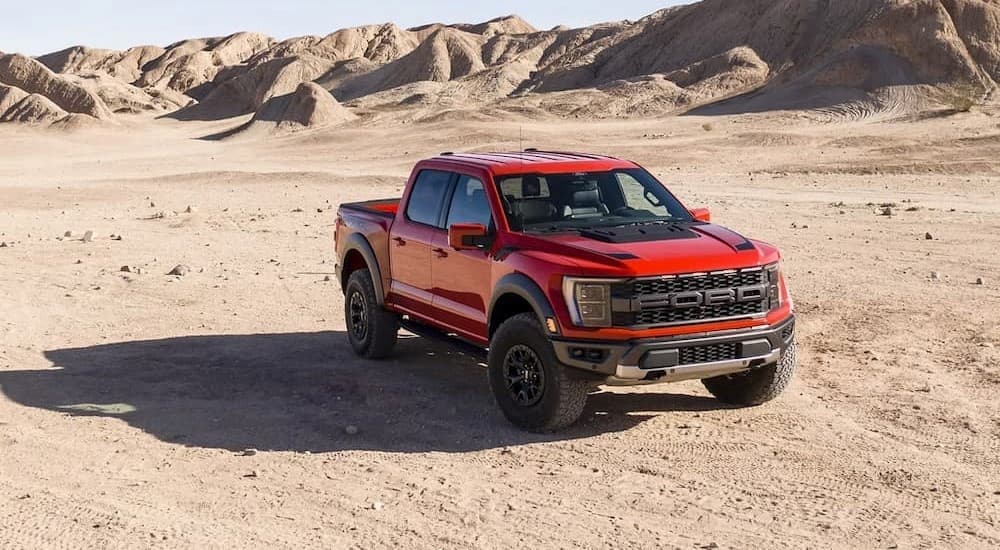
- Adventurer: FX4 or Tremor Packages for trails, or a 3.5L EcoBoost for towing the boat or camper.
Some Silverado 1500 trims can also meet these marks, but Ford offers more options on the used market. Here’s the rundown of the best F-150 trim levels and packages to look for if you’re shopping used:
- XLT: Best all-around deal. It’s affordable, plentiful, and typically includes the essentials you need.
- Lariat: Where value shines. You’ll get leather upholstery, heated seats, and upgraded tech for way less than new.
- FX4 or Tremor: Ideal for those who require off-road capability built-in.
- Platinum or King Ranch: Worth it if you want luxury or if you spend hours behind the wheel.
If you’re shopping first by model year, here are some major elements to expect:
- Anything Before 2015: Old-school steel bodies and simpler tech. These can be great budget trucks, but be aware of potential rust issues.
- 13th Gen (2015–2020): The sweet spot for used buyers, with aluminum bodies, EcoBoost engine options, and plenty of modern comforts.
- 14th Gen (2021-Present): Big touchscreens, advanced safety features, and onboard generators. It can be pricier, but it is an excellent choice if your budget allows.
Final Verdict: Why the F-150 Wins Out
At the end of the day, both the Ford F-150 and Chevy Silverado 1500 are good trucks, but when you’re buying used, the F-150 usually edges out the Silverado 1500 thanks to its rust resistance on newer models, more engine choices that actually fit real-life needs, lower ownership costs thanks to parts availability and mechanic familiarity, and a higher resale value when it’s time to move on.
Unless you stumble across a “unicorn” Silverado 1500 that’s been pampered and perfectly outfitted to your liking, any F-150 is a safer, smarter, and more versatile buy. If you’re serious about finding a dependable used F-150, stop by LaFontaine Ford Grand Blanc.
Connect with us

